
Lesson 4: How our Emotions Impact our Money
Learning Objective
Identify how emotions impact money and discover ways you can manage this
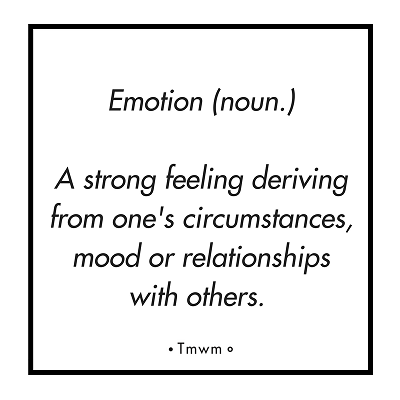
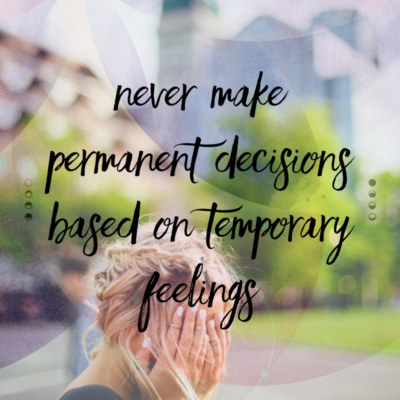
Money evokes strong emotions in all of us. For example, can you recall making a purchase and the transaction was declined? Were you embarrassed, have feelings of panic or fear? We often let our emotions overtake our logic, which lead to decisions that aren’t healthy for our wealth or wellbeing.
It’s important that we understand how money influences our emotions and how our emotions influence our money decisions. Creating an awareness around emotions and money helps us make decisions and to use money in a clear and conscious way.
There are six common emotions that impact our finances:
Jealousy: we’re jealous of what others have and what we don’t have which often creates a tendency to overspend or live above our means in order to look good, or meet other’s expectations.
Regret: we feel remorseful for mistakes we’ve made in the past with our money, or guilt or regret for how we’ve spent our money.
Embarrassment: we don’t want others to know that we’re struggling to make ends meet. We say yes to eat out at restaurants or spend time with our friends, even though we can’t afford it. We don’t own up to not understanding money matters and financial jargon that we think we ought to know and understand.
Overwhelm: We feel overwhelmed when making big financial decisions, getting started, planning or facing our current money situation, so we end up doing the thing that creates the least pain – nothing!
Overconfidence: we don’t plan or save for the unexpected as we often think, it’ll never happen to us.
Fear: we constantly worry about not having enough or losing money, we often end up anxious to spend, save or invest. Being anxious creates a scarcity mindset where we constantly worry about not having enough.
We can’t get rid of the emotions we experience with money – we can recognise these emotions and stop ourselves from acting impulsively.
How our emotions impact our Spending
Drained of emotion, money is nothing. It has no power except the power we give it. And what we give it determines what it gives back to us. – Grainne O’Malley

Mindful Question/Reflection: Consider these questions to find out when you are spending your money:
Do you buy “treats” to make you feel better when you are feeling down?
Do you tend to spend money or buy something for as a reward for accomplishing something?
Do you buy things you can’t really afford but really want?
Do you often go shopping out of boredom or as a distraction?
Do you save money to the point of depriving yourself of the simple pleasures?
When you want a particular thing, do you save up for it, or just buy it and worry about paying for it later?
If you answer yes to most of these questions it might be an indication that you are prone to letting emotions drive your spending habits.
Don’t worry, by doing this exercise, we’re creating awareness around our habits and this is the first step to swapping these habits for healthier ones.
Mindful Exercise: For the next week – whenever you spend money ask yourself, how am I feeling?
Carry a journal or a note pad with you and write down your feelings.
This exercise isn’t about depriving yourself.
It’s a mindfulness exercise and one that gets us to pay attention to why we’re spending money. Helping us to avoid making decisions that are driven purely by our emotions.


