
Lesson 5: Keeping Track
Learning Objective
Discover simple methods that help you connect more intentionally with your cashflow
Spending Apps
To get a clear picture of how we are actually spending our money and to help us keep track of our spending in line with our spending plan there are a range of free and paid apps that we can use.
Spending apps link with our credit and debit cards to list our transactions. They can even categorize the transactions into different spending areas. We can set spending limits and they can then send us a reminder text or email when we reach our limit in these areas.
These apps are powerful because they provide us with insight. We become proactive in managing our spending in line with our spending plan and we can learn to become more mindful with spending decisions because at any point in time we can log in and see how much of our entertainment, petrol, clothing categories we have left.
This insight helps us make better spending decisions.
Using Cash Vs. Card
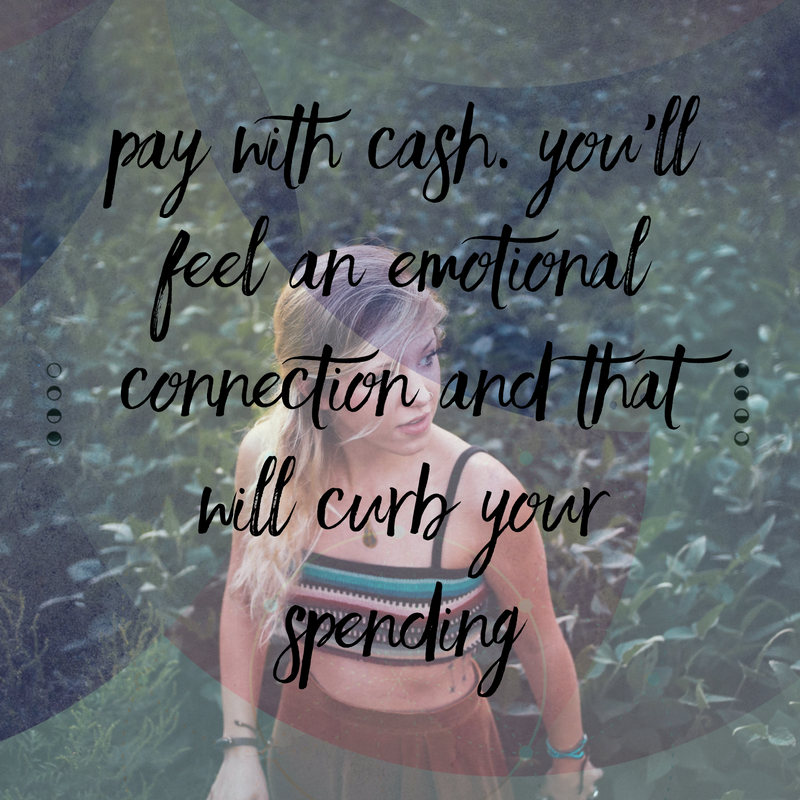
Choosing to pay cash is a great way to create connection between our emotions, our habits and our bank accounts. And connection creates clarity and understanding.
Paying cash instead of using credit or debit cards teaches us to live within our means; we can only spend what we have and mindfulness with our purchases. It can be harder to part with cash than it is to swipe a card at the cash register. Having to physically hand over cash for an item often makes us step back and more carefully evaluate our purchases before making them.
It also makes it easier to stick to a spending plan as it keeps us accountable for what we spend and can show us how easily the little expenses add up over the course of a day.
Mindful Exercise: Try paying cash for a weekend and not using your debit or credit card.
To do this exercise, you’ll need to prepare prior to the weekend. Take a piece of paper and note down what you may do over the weekend and what you’re planning on spending money on. Allow a contingency for unplanned or spontaneous spending. Withdraw the cash that you think you’ll need on Friday.
Good luck – you can do this!
In our current mostly cash-less society, we can easily become disconnected from our spending habits. There are large number of studies that compare cash and card spending behaviour and they pretty much all come to the same conclusion: you spend more on card than you do with cash.
Cash makes things feel more real. If you open your wallet and there’s only $100 left, you’re more likely to be mindful about spending this money than if you had $100 in your bank account and used your credit or debit card.
This is because when you use card, there is often little pain or remorse at the point of sale – compared to cash.
Often this pain or remorse comes later – when you check your accounts or receive a statement and find that you may have overspent.
So we’re going to focus on creating a stronger connection with our money by only using cash.
Link: Download the 30 Day Mindful Money Challenge e-book: filled with ideas, affirmations and exercises on applying the practice of mindfulness to your finances. It won’t take long before you’ll begin to start noticing clarity, more awareness and connection with your money, as well as a fresh new approach to how you use, think and feel about your finances.

Congratulations! You’ve reached the end of Module 4
Well done on completing this part of your journey. Keep an eye on your inbox, and we’ll send you an email when Module 5 is available (you’ll get one
module each week). Until then, we’d love to hear your feedback or help you
with any questions you may have.
Best wishes,
Lea + the mindful wealth movement team.
Feedback
What is one insight or key reflection that you have taken away from this module?
What is one action your going to take with your wellth (wealth & wellbeing)?
Did you enjoy and get value out of the content in module 4?



We really value your feedback and suggestions for improvement – please share how you think we might be able to improve…


