
Lesson 5: Creating Resilience to cope with change
Learning Objectives:
Understand how to create internal and external resilience to support you with changes to your wealth & wellbeing.
Life is a journey and at times it can be a roller coaster. As we move through our twenties, thirties, forties, fifties, sixties and beyond we’ll face decade-specific challenges, difficulties and setbacks. We move out of home, have different jobs and relationships, get married, start a family, lose a job, start a business, get a divorce, face illness, win money, lose a lot of money, retire, look after a relative or even lose a loved one.
All of these events can have a big impact on us emotionally and financially.
Coping with change in life
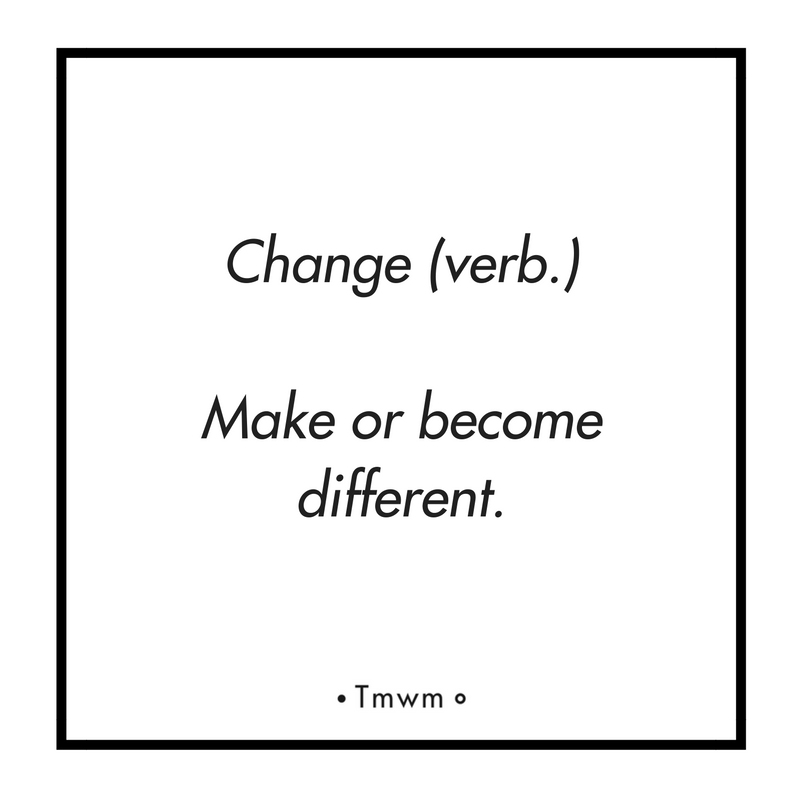
Things often turn out differently than we anticipate. There is a saying; in life the only thing permanent is change.
Change is part of life. It can make life exciting but it can also make it frightening.

Instead of trying to resist change we can try and be more flexible. It’s not always easy to understand why things happen, but in many cases we can make peace with our situation when we look at challenges as opportunities for growth.
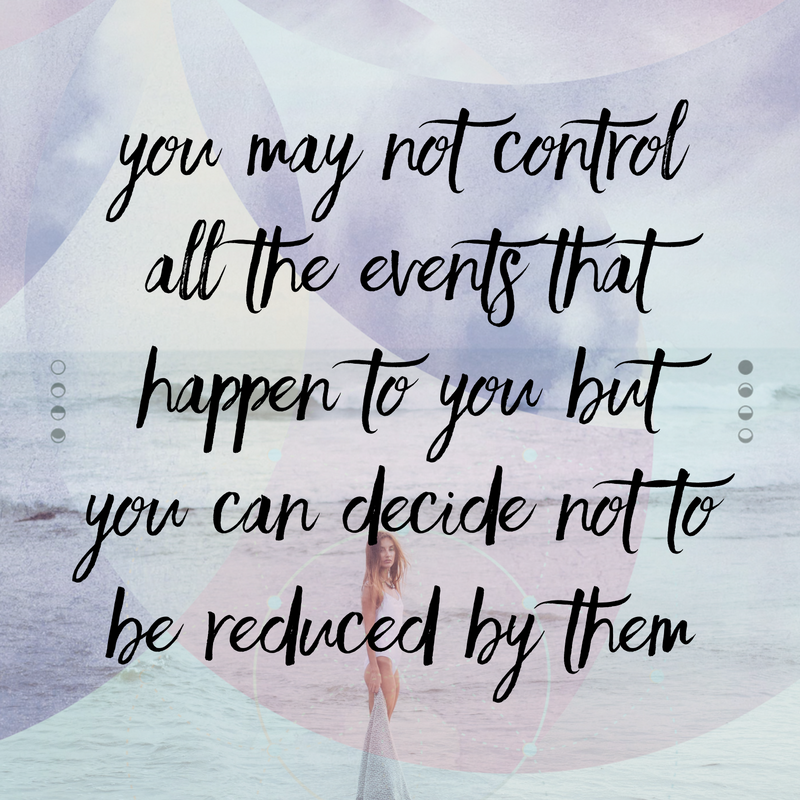
The control we have over any situation
is how we react, our mindset.
While we cannot control what has happened or will happen, we can control how we react and respond.
Here are some strategies that can help us navigate the challenges that can accompany unanticipated change:
- Breathe, by concentrating on our breathing we relax and take our mind off what we’re dealing with even if it’s just for a moment.
- Focus on the present moment rather than worry about what has happened or what will happen in the future.
- Be Grateful for everything in your life.
Mindful Exercise: Make a list of three things you’re grateful for, no matter how big or small, every day.
Remember that smiling uses fewer facial muscles than frowning. By finding humour in a situation, we take our mind off the situation.
Take control and focus on what is important, make looking after you a priority and give yourself time to walk, practice yoga or spend time with friends and family.
Allow others to help, even if it’s difficult to let others in.
As women, we’re likely to be faced with a number of events in our personal relationships, careers and with our health and wellbeing that can test us emotionally, physically, mentally, spiritually and financially.

Our ability to deal with these setbacks often is in our ability to understand our emotional reactions and behaviours. We need to be able to manage feelings and understand what is causing them and why. This awareness helps us to maintain control of the situation and think of new and better ways to tackle the problem and find a solution. While we may not be able to control a situation, what we can control is how we react to these situations when and if they occur.
The problem with Change
There is evidence to say that what we are more stressed about the uncertainty that comes with change, than change itself.
Events such as divorce or separation, the loss of a job, or illness are most stressful due to the uncertainty they create for our future. The event itself doesn’t worry us as much as the thoughts of how will I cope? Or, what will I do?
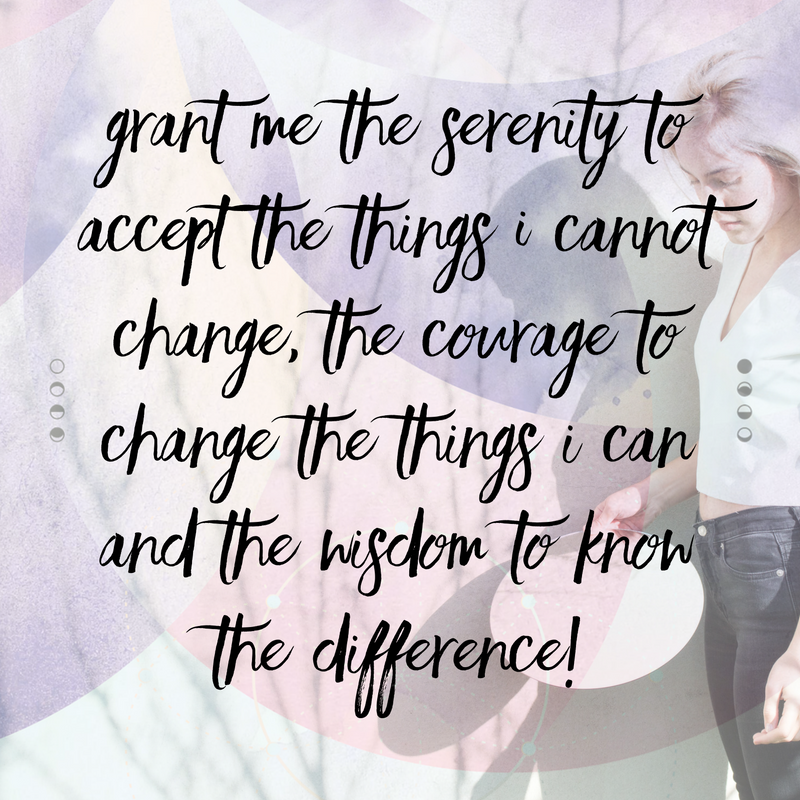
Here is a famous quote to recite when you need it,
Grant me the serenity
to accept the things
I cannot change,
the courage to change
the things I can,
and the wisdom to know the difference.
This is a magically intelligent approach to managing change in our lives.
By accepting the things, we cannot change; we can let go of worrying about things of which we have no control.

Mindful Reflection Questions: Is there anything that I can do to change the likelihood of this happening, or the outcome of it, if it does happen?
If you answer no to this question, then you have no control over this and you should put it aside, stop worrying.
If the answer is yes, you may need to seek help or do something about it.
By focussing on the positives and creating a mindset that supports change it will go a long way towards building resilience and creating success.
Building Resilience
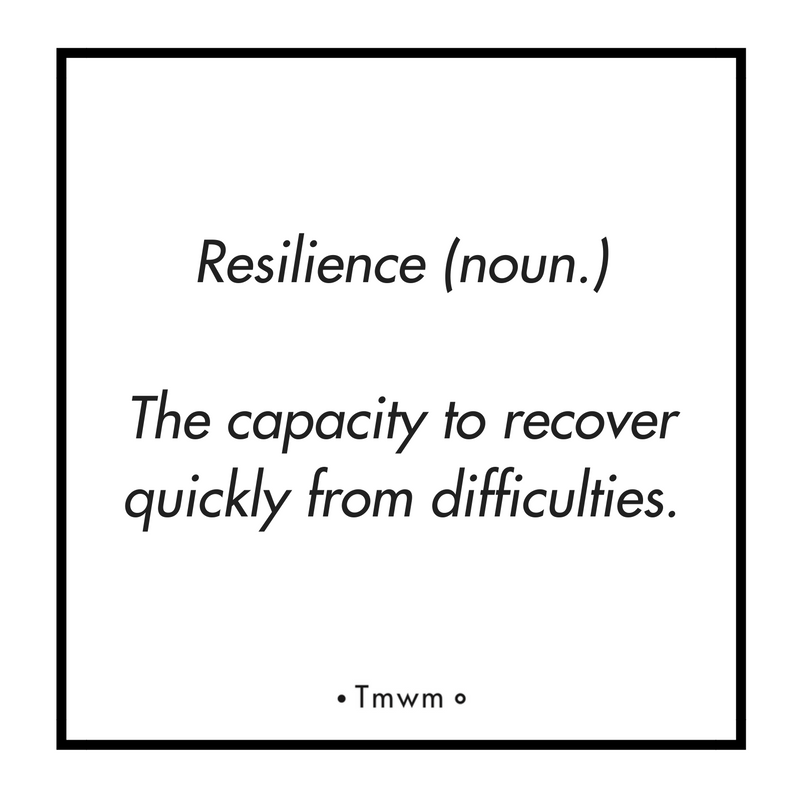
Put simply, resilience refers to our ability to quickly recover from a stressful event. Resilience can be developed internally, through our behaviours and mindset as well as externally.
Dealing with setbacks can be challenging and our ability to bounce back, quickly, will often be a result of our mindset. There are generally two types of mindsets we take on:
Fixed mindset = victim mentality
Who when faced by setbacks are easily discouraged and may have a tendency to doubt their ability and give up.
Growth mindset =survivor mentality
Who see setbacks as an opportunity to learn and grow and will try harder to overcome a problem.
Our Internal Resilience can often mean the difference between handling pressure and losing our cool. Resilient people tend to maintain a more positive outlook and cope with stress more effectively. Research has shown that not all of us have an in-built resilience gene but we can learn to create a growth mindset and build resilient behaviours to support us when the going gets tough or we’re facing a crisis.
To create our internal resilience we need to:
- Learn from our mistakes. Understand and accept our own strengths and weaknesses.
- Be willing to overcome difficulties rather than avoid problems. Be optimistic in our thinking patterns.
- Seek assistance from others when needed.
- Recognize our own emptions and those of others. Set goals with realistic expectations.
- Believe in our selves
There are things that we can do to build our External Resilience when it comes to our finances:
- A cash buffer, to provide you access to cash in the case of emergency or unexpected expenses.
- Low debt or financial commitments, when you have a high level of debt, when things get tough – you lose your job, you are unwell or unable to work – keeping up with your financial commitments is particularly difficult and stressful. While it can be tempting to use credit in times of uncertainty, or trouble, this can also lead to disaster if not managed effectively.
- Insurance – protection on your health, life and possessions can provide you with peace of mind in the event that something unexpected or unplanned happens.
Mindful Exercise: If you don’t already have an emergency account, here’s some easy ways to create one:
Save our pay increases, bonuses and tax returns, winnings or reimbursements.
Save the discounts and savings you make when shopping. Use a jar and put all savings into that jar each time you shop or set aside in a separate savings account.
Continue payments you’ve been paying off a debt, or paying a set amount each week, continue making the payments but make them to a savings account instead.
Bill yourself; set a reminder to pay yourself. Make it symbolic – deposit an amount equivalent to your age, address or date of birth into an account each week or month.
Protecting our personal information when we shop or interact online.
- Don’t over share personal info on social media, particularly Facebook.
- Keep your computer updated with anti-virus software, and firewall protection.
- Have a coach or an advisor to turn to for advice, guidance and support in times of uncertainty.
Mindful Exercise: How many yes’s can you answer to the following questions:
Let’s see just how financially resilient you really are:
Do you have an emergency fund, or savings set aside in the case of unplanned expenses?
If an unplanned expense pops up, do you usually fund it by cash rather than credit card?
Do you have contents insurance if you rent?
Do you have home and contents insurance if you own your own home?
Do you have car insurance?
Do you have health insurance?
Count your yes’s.
4 to 5 yes’s: High Pass. Congrats—you’re in a position to withstand most financial mayhem.
3 to 4 yes’s: Pass. You’re getting there. Your financial house isn’t weatherproof quite yet, but you’re in a position to seal up a lot of financial leaks as they occur. Keep on your current path, don’t lose sight of your goals, and you’ll be there soon enough.
2 to 3 yes’s: Back To The Basics. We know how hard it is to save money, especially in this economy. We don’t expect you to be a financial superstar overnight, but we want to encourage you to start working on it today.
0 yes’s: Time To Get Into Gear. Although we love the idea of living in the moment, we recognize that it’s important to plan for the future. Happy thoughts can only go so far if we lose our job, our car breaks down, or any other financial stresses come our way. Let this be a wakeup call for you.
Asking for Help
Being resourceful is a great skill in building resilience; it’s also critical to ask for help when it’s needed. Outside of our family and friends, there are so many books, online resources, forums, and professional groups and support services. It’s okay to ask for help if we need it and by doing so doesn’t mean we’re a failure. It means that we have the courage and strength to try and fix things and keep going.
A note on Insurance
Congratulations! You’ve reached the end of Module 5
Well done on almost completing your journey. Keep an eye on your inbox, and we’ll send you an email when Module 6 is available (it’s the last one!). Until then, we’d love to hear your feedback or help you with any questions you may have.
Best wishes,
Lea + the mindful wealth team.
Feedback
What is one insight or key reflection that you have taken away from this module?
What is one action your going to take with your wellth (wealth & wellbeing)?
Did you enjoy and get value out of the content in module 5?



We really value your feedback and suggestions for improvement – please share how you think we might be able to improve…


