Lesson 2: Needs vs. Wants: Defining Enough
Learning Objective
Distinguish between needs vs. wants and create your own definition of “enough”
Needs vs. Wants
If we’re struggling with our spending habits, it’s often because we don’t separate what we really need from what we really want.
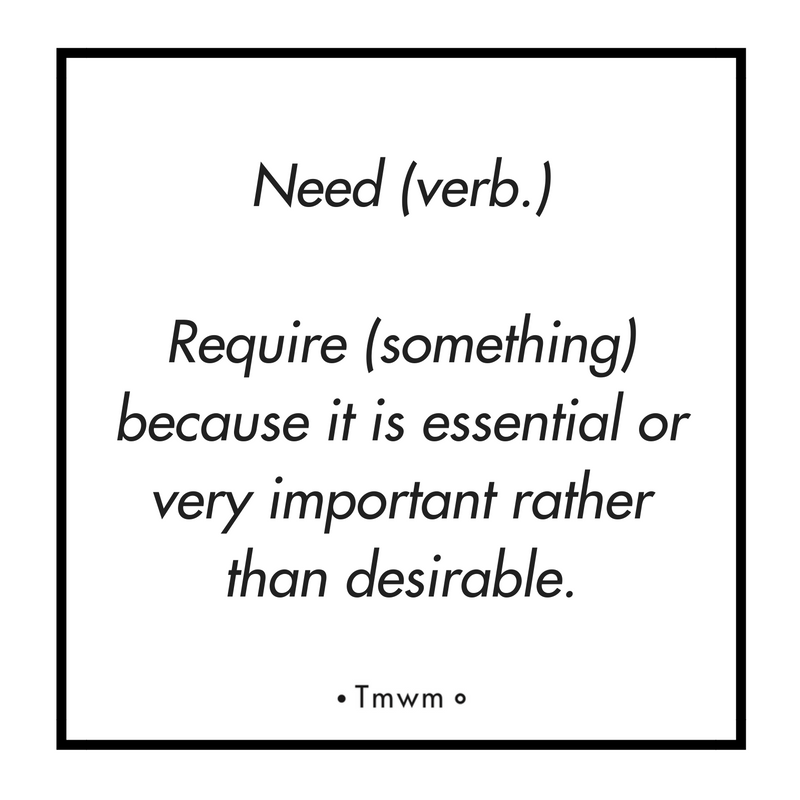
American psychologist Abraham Maslow first discussed our “needs” in 1943. In his hierarchy of needs, he found that in order to survive we needed just three things:
- food,
- water, and
- shelter.
But a lot has changed since 1943 and our needs have likely changed too.
Our needs are the simple requirements for sustaining life and health. It’s very easy to confuse our needs with our wants, wishes and desires. Our human needs are quite simple and are often broken into physiological needs by our physical wellbeing and psychological needs for our mental wellbeing.
For our physical wellbeing we need air, water, food, shelter and sanitation, sleep and connection with others.
For our mental wellbeing we need autonomy, competence, connection. We also need safety, meaningfulness, and self-esteem.
Studies have shown that money can actually “buy” happiness – to a level. Basically, once our needs and some of our wants are covered we aren’t generally any happier if we earn more money. The study showed that people were increasingly happy when they made more money, up until about the $75,000 annual income mark that is sufficient to take care of our basic needs and fulfil many of our wants. Over and above this, we use the income to buy additional things that aren’t necessary to our existence or happiness.
By recognizing that there really is only a small number of things in life that we actually need that cost money, we begin to realize how many things we actually buy because we think we want them. We can then learn to prioritize our wants so that we can spend on what we want most first.
Defining Enough
Ask any advertiser what their job is and they’ll tell you: it’s to make us want more, to consume, to acquire and to purchase; to replace old with new.
Consumption is never-ending as there will always be something newer, bigger, better, faster, stronger, sexier, greater, and more beautiful or stylish for us to want.
Watch: How commercials get us to buy crap we don’t need!
The key to getting ahead is to keep our wants in check and being able to prioritize them.
One way to manage our needs and wants is to introduce a new category: Needs, Wants and Likes. What separates our “wants” from our “likes” is the belief that acquiring it will add something in our lives.
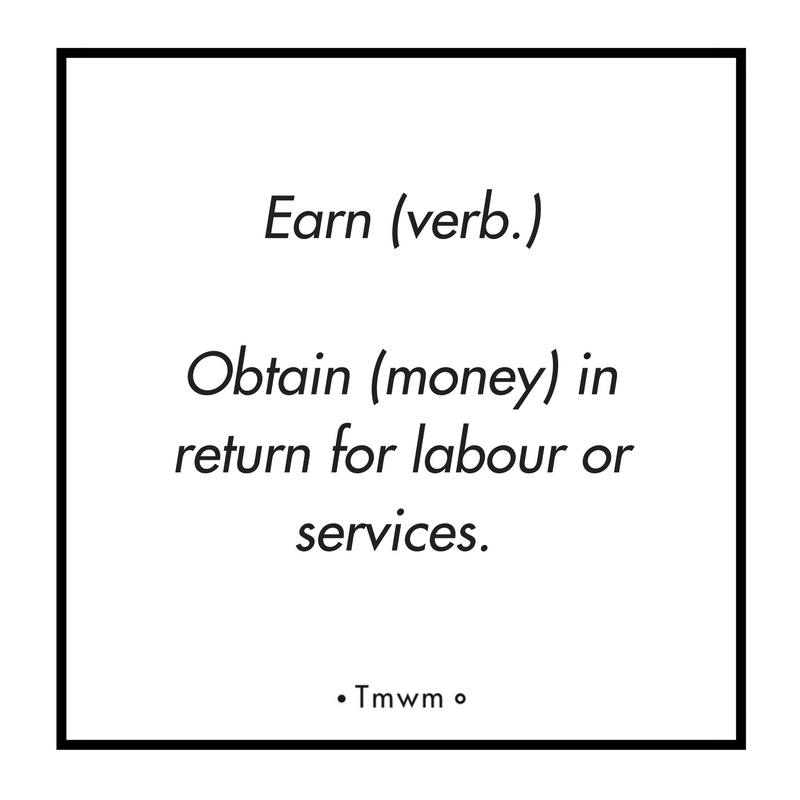
How much is enough?
Many of us have never really considered how much money is enough to make us feel happy and satisfied.

Mindful Exercise:
Try delaying the purchase of what you want: doing this can help teach us whether we truly need something, want something or just like something and can live without it. After all, if we don’t know how much is enough, how can we know when we have enough?
Even if you delay your decision to buy something by just 24 hours, it can give you time to reflect on whether this purchase is out of a need, want or like!? It’s like hitting pause on our spending to give us time to think through our actions and ensure it’s in alignment with our goals, values and true desires.
Interestingly, the Buddhists believe that this wanting or desiring of material things is a form of suffering. They believe when we want something we then become attached to it. Instead they believe things are impermanent meaning that they are transitory in nature and we cannot attach ourselves to them.
Mindful Exercise:
Have a look at your spending over the last month. See if you can divide it into your needs vs. wants vs. likes.
Add up all the needs and divide it by your total spending, then times this number by 100 to get a %.
Add up all the wants and divide it by your total spending, then times this number by 100 to get a %.
Add up all the likes and divide it by your total spending, then times this number by 100 to get a %.
The total of your needs, likes and wants amounts should add up to 100%
This exercise isn’t about not spending money on things that you want or like, but it’s a way to see how you’re really spending your money.
If we’re spending a lot of money on our wants and likes and we’ve got next to no savings or high debt, then we might need to reevaluate our spending or learn to compromise a little.
Mindful Question / Reflection: Is it really true that I can’t afford it? Or, is it more a case that it’s just not enough of a priority for me right now?
Are there other things that I currently spend money on instead of this thing?